
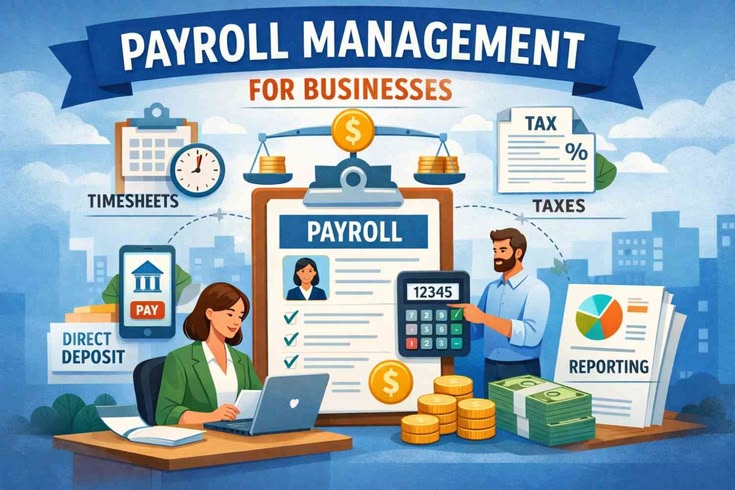
Managing employee salaries involves much more than calculating monthly payments. Businesses need a well-planned payroll structure that balances employee compensation, statutory deductions, tax obligations and organisational budgets. A properly designed payroll system helps maintain transparency, improve financial planning and ensure that employees receive accurate and timely payments.
Payroll structuring plays an important role in human resource management and financial administration. It defines how an employee’s total compensation is divided into basic salary, allowances, reimbursements, benefits and other applicable components. An organised structure also helps businesses manage salary-related tax deductions and statutory responsibilities.
Shukla Gupta & Arora (SGA) provides professional payroll structuring and statutory compliance support for startups, SMEs, growing businesses and established organisations. Its services cover salary structuring, payroll processing, salary computation, TDS on salary, statutory compliance, payroll documentation and compliance reviews.
What Is Payroll Structuring?
Payroll structuring is the process of designing an employee’s compensation package by dividing the total salary into different components according to employment terms, business policies and applicable regulations.
A salary structure generally includes fixed compensation, variable pay, allowances, reimbursements, employer contributions and other eligible benefits.
The objective is to create a clear and consistent compensation framework that supports employee satisfaction while helping the organisation manage payroll expenses and compliance responsibilities.
An effective payroll structure should consider:
-
Employee designation and responsibilities.
-
Total Cost to Company (CTC).
-
Basic salary and applicable allowances.
-
Variable pay and performance incentives.
-
Eligible reimbursements and employee benefits.
-
Applicable tax deductions.
-
Provident Fund (PF) and ESI requirements, where applicable.
-
Professional tax and other relevant statutory obligations.
The structure should be reviewed periodically to reflect changes in employee compensation, business policies and applicable regulations.
Why Is Payroll Structuring Important for Businesses?
A well-designed payroll system provides several operational and financial benefits.
1. Better Salary Management
A structured salary system establishes clear compensation components for every employee. It helps HR and finance teams calculate salaries consistently and maintain organised payroll records.
2. Improved Tax Planning
Salary components may have different tax treatments depending on applicable income tax provisions and employee eligibility. Appropriate salary structuring helps businesses calculate tax deductions accurately and communicate compensation details transparently.
3. Statutory Compliance
Employers may have responsibilities relating to provident fund, employee state insurance, salary TDS and other applicable employment-related regulations. A planned payroll structure helps identify relevant obligations and maintain supporting records.
4. Transparency for Employees
Employees should understand how their gross salary, deductions, reimbursements and net take-home pay are calculated. Clear salary structures reduce confusion and support better communication between employees and management.
5. Better Financial Forecasting
Payroll is a significant recurring expense for most organisations. Proper structuring helps management estimate employee costs, prepare budgets and plan future recruitment.
Key Components of an Employee Salary Structure
Understanding different salary components is essential when designing a payroll framework.
Basic Salary
Basic salary is the fixed component of an employee’s compensation. It is an important element in salary calculations and may also be relevant when determining certain statutory contributions and employment benefits.
House Rent Allowance (HRA)
HRA is a salary component provided by employers to eligible employees towards accommodation expenses. Its tax treatment depends on applicable income tax provisions and the employee’s circumstances.
Special Allowance
Special allowance is generally included as a component of compensation to structure the employee’s overall salary package. Its treatment for tax and statutory purposes depends on applicable rules.
Conveyance and Other Allowances
Employers may provide specific allowances depending on company policy and employment requirements. The tax treatment of these components should be reviewed under the applicable provisions rather than assumed to be automatically exempt.
Performance Incentives and Variable Pay
Variable compensation may be linked to individual performance, business targets, sales achievements or organisational results.
A clearly defined incentive policy helps employees understand performance expectations and payment conditions.
Reimbursements
Employers may reimburse eligible business-related expenses incurred by employees, subject to supporting documentation and applicable tax rules.
Employer Contributions and Benefits
Certain compensation packages include employer contributions towards retirement or social security benefits. These may include PF and other applicable employee benefit arrangements.
The treatment and calculation of these components should be assessed according to the relevant statutory requirements.
Payroll Processing and Salary Computation
Payroll processing involves calculating employee earnings and deductions for a specific salary period. Accurate payroll processing is necessary to ensure employees receive the correct amount and organisational records remain consistent.
The process generally includes:
-
Collecting employee attendance, leave and salary information.
-
Reviewing fixed and variable compensation components.
-
Calculating gross salary.
-
Applying eligible reimbursements and adjustments.
-
Calculating applicable statutory deductions.
-
Computing salary-related TDS.
-
Determining net take-home salary.
-
Preparing payroll statements and supporting records.
Businesses should maintain a consistent payroll cycle and establish proper review procedures before salary disbursement.
Statutory Payroll Compliance in India
Employers must consider several statutory requirements while managing payroll. The applicable obligations depend on the organisation’s establishment, employee strength, salary levels, location and other relevant factors.
Provident Fund (PF) Compliance
Provident Fund is an important social security arrangement for eligible employees and establishments under applicable law.
Employers need to assess applicability, calculate contributions correctly, maintain employee-related records and complete the prescribed filings and payments within the relevant timelines.
Employee State Insurance (ESI)
ESI provides eligible employees with social security and medical benefits under the applicable framework.
Organisations covered by the relevant provisions must evaluate employee eligibility, calculate contributions and maintain the required records.
Tax Deducted at Source (TDS) on Salary
Employers are responsible for deducting tax from employee salaries where applicable.
Salary TDS calculations should consider estimated taxable income, eligible declarations, supporting documents and applicable income tax provisions. Employers must also manage the related deposit, reporting and certificate requirements.
Professional Tax
Professional tax is applicable in certain Indian states and is governed by the respective state legislation.
Businesses operating across multiple locations should review the applicable state requirements and ensure appropriate deductions and payments.
Payroll Records and Statutory Documentation
Maintaining accurate payroll records is essential for compliance and internal financial control.
Depending on the organisation’s requirements, records may include salary registers, attendance details, deduction statements, employee declarations, contribution records and supporting documentation.
Common Payroll Structuring Mistakes Businesses Should Avoid
Payroll errors can create financial inconsistencies, employee dissatisfaction and compliance risks.
Some common mistakes include:
-
Designing salary structures without reviewing applicable statutory requirements.
-
Using incorrect basic salary or allowance calculations.
-
Miscalculating PF or ESI contributions.
-
Applying incorrect salary TDS deductions.
-
Not updating payroll after salary revisions.
-
Maintaining incomplete employee records.
-
Ignoring state-specific employment requirements.
-
Delaying payroll processing and statutory payments.
-
Failing to reconcile payroll data with accounting records.
Regular payroll reviews and proper documentation can help businesses identify these issues before they become larger problems.
Payroll Structuring for Startups and Growing Businesses
Startups and expanding organisations often need flexible payroll systems that can accommodate changing employee requirements.
During the initial stages, businesses may have a small workforce but still need to establish appropriate salary structures, employee records and statutory processes.
As the organisation grows, payroll management becomes more complex due to new hires, salary revisions, multiple departments, variable compensation and additional compliance responsibilities.
A scalable payroll framework should include:
-
Standardised salary structures.
-
Clearly defined compensation policies.
-
Consistent payroll processing procedures.
-
Proper employee documentation.
-
Applicable statutory contribution calculations.
-
Salary TDS management.
-
Regular payroll reconciliation.
-
Periodic compliance reviews.
Establishing these processes early can help businesses avoid unnecessary administrative difficulties as their workforce expands.
How Professional Payroll Structuring Services Help
Managing payroll internally requires coordination between HR, finance and compliance teams. Errors in salary calculations or statutory deductions can affect both employees and the organisation.
Professional payroll support can help businesses establish structured compensation systems, improve calculation accuracy and maintain appropriate documentation.
Shukla Gupta & Arora offers payroll-related assistance covering:
-
Payroll Structuring: Designing salary components based on employee compensation and applicable statutory considerations.
-
Payroll Processing: Supporting monthly salary calculations, deductions and reimbursements.
-
Statutory Payroll Compliance: Managing applicable employee-related deductions, contributions, filings and records.
-
TDS on Salary: Assisting with salary tax calculations, deductions and reporting.
-
Payroll Documentation: Maintaining organised salary registers and supporting documents.
-
Payroll Compliance Review: Reviewing existing payroll processes to identify inconsistencies and potential compliance gaps.
With its wider expertise in accounting, taxation, regulatory compliance and financial advisory, SGA also supports businesses with connected financial management requirements.
Why Choose Professional Payroll Structuring Services in Delhi?
Selecting the right payroll advisory support can help businesses manage compensation and statutory responsibilities more systematically.
Shukla Gupta & Arora is a Chartered Accountancy firm with a business advisory approach and services covering payroll, accounting, taxation and regulatory compliance. Its office is located at Green Park Main, New Delhi.
sgaindia.co.in+1
Businesses can benefit from:
-
Structured Compensation Planning: Organising salary components according to business and employee requirements.
-
Accurate Payroll Calculations: Improving consistency in salary processing and deductions.
-
Compliance-Focused Support: Reviewing applicable statutory obligations.
-
Confidential Documentation: Maintaining organised employee payroll information.
-
Integrated Financial Advisory: Coordinating payroll requirements with accounting and tax-related functions.
A professionally managed payroll system can help organisations improve financial control while creating a transparent compensation experience for employees.
Conclusion
Payroll structuring is an important part of effective business and financial management. A properly designed compensation system helps organisations manage salaries, maintain transparency, calculate statutory deductions and improve control over employee-related expenses.
From salary component planning and monthly payroll processing to TDS calculations and statutory documentation, every stage requires accuracy and proper coordination.
Shukla Gupta & Arora provides Payroll Structuring Services in Delhi, helping businesses manage employee compensation, payroll processing and statutory compliance through an organised and professional approach. A well-managed payroll framework allows businesses to focus on workforce development and sustainable growth while keeping their payroll responsibilities in order.
Frequently Asked Questions (FAQs)
1. What is payroll structuring?
Payroll structuring is the process of dividing an employee’s total compensation into components such as basic salary, allowances, reimbursements, variable pay and applicable benefits.
2. Why is salary structuring important for companies?
Salary structuring helps companies manage employee compensation, calculate deductions, maintain payroll transparency, plan employee costs and address applicable statutory responsibilities.
3. What are the common components of a salary structure?
Common components include basic salary, HRA, special allowances, variable pay, reimbursements and applicable employer contributions. The exact structure depends on company policy and relevant regulations.
4. What is the difference between CTC and take-home salary?
CTC represents the overall annual cost incurred by an employer for an employee. Take-home salary is the amount received after applicable deductions and adjustments.
5. Is PF and ESI compliance part of payroll management?
Yes. PF and ESI requirements may form part of payroll compliance for eligible establishments and employees. Applicability and contribution calculations should be reviewed under the relevant laws.
6. What is TDS on salary?
TDS on salary is tax deducted by an employer from an employee’s salary where applicable. The deduction is based on estimated taxable income and relevant tax provisions.
7. Can startups benefit from professional payroll structuring?
Yes. Professional payroll structuring can help startups establish consistent salary policies, organise employee records, manage applicable statutory deductions and build scalable payroll processes.
8. How often should a company review its payroll structure?
Businesses should review payroll structures whenever there are salary revisions, changes in employee benefits, regulatory updates or changes in organisational requirements. Periodic reviews also help identify calculation and compliance gaps.